

We want you to know that we respect your privacy. If you want to learn how we collect, use, and share your personal data, you can read our cookies policy here to learn about our privacy practices.
The data can be used in various ways. But the main goal is to gain insights from the web usage of customers, such as the number of visits and the source of traffic. In this case, we could use Google Analytics, Google Tag Manager, and Meta Pixel Ads or others.
To provide essential services, such as handling requests for products and services, managing payments, offering customer support, processing orders and transactions, confirming user information, keeping your account active on our platform, facilitating your participation in public areas of our site, communicating with you, detecting and monitoring security events, safeguarding against malicious or illegal actions, and resolving errors that affect the intended functionality.

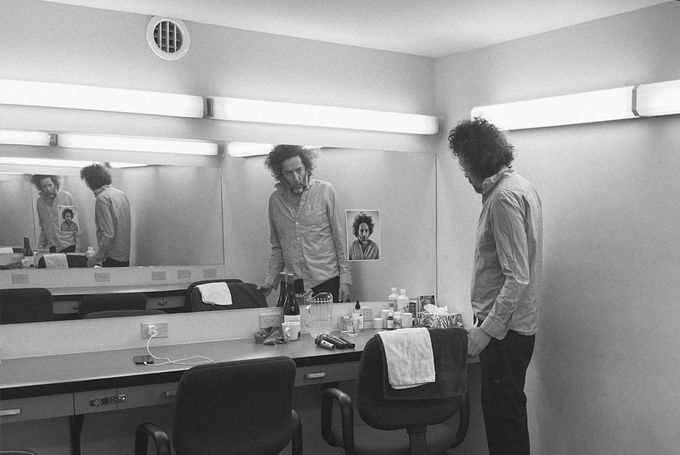
Basado en la voz rakish del fundador de la banda, Dan Bejar, y la obtusa personalidad de composición de canciones, Destroyer ha estado en un estado constante de evolución desde que comenzó en 1995. Bejar dividió su tiempo entre Destroyer y otras bandas de renombre como los New Pornographers y Swan Lake, entre otros, pero Destroyer gradualmente creció de su folk indie al estilo Bowie de sus primeras grabaciones a experimentos mucho más ambiciosos con arreglo, instrumentación y entrega.
La presencia relajada pero teatral de Bejar se encuentra en el centro de cada fase por la que atraviesa Destroyer, desde el melodrama de tendencia acústica de Your Blues de 2004 hasta el pop cinematográfico de Kaputt de 2011, pasando por experimentos con sintetizadores y palabras habladas en álbumes como Have We Met de 2020 y Labyrinthitis de 2022.